Every article about recruiting services treats the industry as if it's one thing. It's not. The recruiting ecosystem in football looks nothing like the one in swimming, and the platforms that matter for lacrosse are irrelevant for basketball. A service that adds genuine value for a softball family may be a waste of money for a tennis family — not because one is better or worse, but because different sports run on fundamentally different recruiting infrastructure.
This is the guide that accounts for those differences. Sport by sport, here's what coaches actually use, what families should spend money on, and where the generic recruiting service pitch falls apart.
Why the "best" recruiting service depends on your sport
The recruiting service industry — led by NCSA, with Stack Athlete, FieldLevel, and others behind it — markets itself as sport-agnostic. Create a profile, get in front of coaches across any sport. The pitch sounds logical. The problem is that college coaches in different sports find recruits in fundamentally different ways.
In football, coaches evaluate film on Hudl and verify what they see at camps. In basketball, coaches discover players at AAU events during July live periods. In swimming, coaches look up times on SwimCloud. In lacrosse, coaches manage their entire recruiting pipeline through SportsRecruits. In tennis, a Universal Tennis Rating tells a coach most of what they need to know before watching a single point.
A generic recruiting platform sits on top of these sport-specific ecosystems, charging families $1,500–$4,200+ for access to a database that coaches in many sports don't actively use for discovery. When 94% of college coaches say they prefer a personalized email from an athlete over a message from a recruiting service, the question isn't whether recruiting services work. It's whether the service you're considering works for your sport.
Football recruiting runs on two things: game film and in-person evaluation at camps. Almost everything else is peripheral.
Hudl is the standard. The platform is used by the vast majority of US high school programs, and college coaches expect to find recruits' film there. Ryan Gunderson, Nebraska's Director of Player Personnel, told FootballScoop that if a recruit doesn't capture attention in the first 45 seconds of film, it gets shelved. Every athlete on a Hudl team gets a recruiting profile searchable by verified college coaches — but coaches don't browse Hudl looking for unknowns. They watch film on players they've already heard about through camps, high school coaches, or direct outreach.
Camps close the deal. Because the college football season overlaps with the high school season, coaches can't attend high school games in the fall. Spring and summer camps — ranging from $50–$200 at individual schools to $100–$300+ at national combines — are where they evaluate recruits in person. Most coaches won't offer a scholarship without seeing an athlete live. For specialists, Kohl's Kicking has carved out a niche as a credentialing service with an ESPN partnership and verified NFL draft data backing its evaluations.
Ranking services matter at the top. 247Sports, Rivals, On3, and ESPN star ratings influence which camps invite which players, and coaches use them as a screening tool for elite prospects. But rankings are irrelevant for the vast majority of recruits targeting FCS, D2, D3, or NAIA programs. At those levels, coaches are looking for athletes that bigger programs missed — and they find them through direct outreach, high school coach referrals, and camp performance.
Paid recruiting services are least useful here. Football coaches at major programs have large recruiting staffs, extensive scouting networks, and the Hudl infrastructure already in place. One Lewis & Clark College coach put it bluntly: he hasn't pulled up NCSA in two years because his staff already knows who the recruits are by senior year. For most football families, the money is better spent on camp registration fees.
If your family wants a football-only platform breakdown (Hudl vs profile tools vs managed services), use best football recruiting websites.
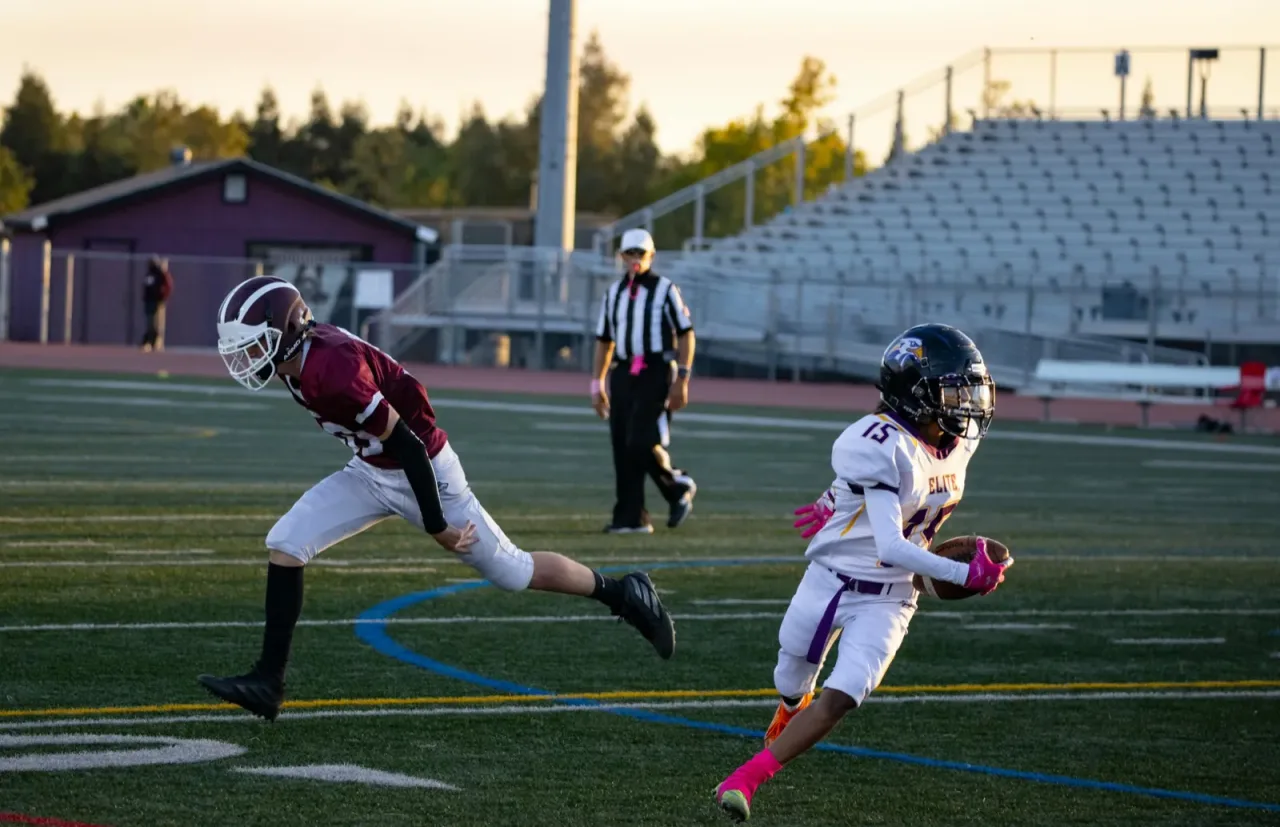
Soccer recruiting runs through the club ecosystem. ECNL showcases drew over 1,300 college scouts at the Florida Winter event alone, with 30%+ year-over-year increases in coach attendance. Playing in ECNL, Girls Academy, or MLS NEXT puts athletes where coaches are already looking — at a cost of $5,000–$13,000+ per year when club fees and travel are combined.
For athletes outside those top leagues, the path runs through ID camps and direct outreach. College soccer ID camps are overtaking generic showcases as the primary evaluative tool — but not all camps are created equal. One former college coach with 14 years of experience warned that some ID camps "are just to be able to make money" and that an invitation does not equal recruitment interest. The camps worth attending are the ones hosted by programs your athlete is genuinely interested in, where the coach already knows their name.
Film matters, but live evaluation matters more. Soccer is uniquely difficult to evaluate on video because most of the game is off-ball movement, tactical intelligence, and pressing decisions that camera angles at youth games rarely capture. A well-edited highlight reel (under five minutes) opens the door. If coaches are interested, they request full-game footage — or, more likely, they come see your athlete play live at the next club event.
The club coach is the most important connector. Before the June 15 contact date after sophomore year, D1 coaches work through club coaches to relay information to recruits. Across multiple soccer parent forums, the consistent advice is to copy your club coach on all correspondence with college programs so they can follow up and advocate. One club director on a SoCal soccer forum discouraged families from paying for NCSA, finding club connections more valuable. The forum consensus across five major soccer communities: direct email from the player, a competent highlight reel, and a well-connected club coach outperform any paid platform.
Baseball and softball: showcases, metrics, and the right travel team
Baseball lives in the showcase world. Perfect Game dominates as the event organization coaches reference most — scouts record 60-yard dash times, radar gun every throw, and measure six quantitative metrics of the swing. National showcases cost around $1,000; regional events run $250–$750. One parent on the HS Baseball Web described how Perfect Game national exposure led to a Big 12 scholarship offer plus SEC, ACC, and Big Ten interest. But the independent assessment from Bat Digest was more measured: "probably not" worth it for most players, since quality prospects are often already on coaches' radars.
The real baseball recruiting pipeline runs through travel ball. Families spend $3,700–$5,000 per year on competitive travel teams, with elite programs pushing to $8,000–$15,000+. Having a travel coach with college connections who will make calls on your behalf matters more than any platform. Tech tools like Rapsodo and TrackMan have added a data layer — an estimated 35% of coaches now incorporate advanced metrics in evaluations — but these supplement live scouting, not replace it.
Softball shares the showcase-and-travel structure but has its own platform dynamics. SportsRecruits became an official NFCA sponsor in 2024 and now powers Alliance Fastpitch events. One parent tested outreach through both platforms and found that 21 of 22 target schools engaged more on SportsRecruits than NCSA. A college recruiting coordinator confirmed she uses SportsRecruits actively but never logs into NCSA.
Softball also has a unique timing problem. Before recent rule changes, 43% of D1 softball athletes had contact with a college coach on or before 9th grade — and 38% of those early verbal commits didn't end up at the school they committed to. The staggering de-commitment rate led D1 coaches to vote overwhelmingly for a September 1 junior year contact start date, similar to the lacrosse model. The rules now restrict coach-initiated contact, but verbal commitments still happen earlier because they're not binding and not regulated by the NCAA.
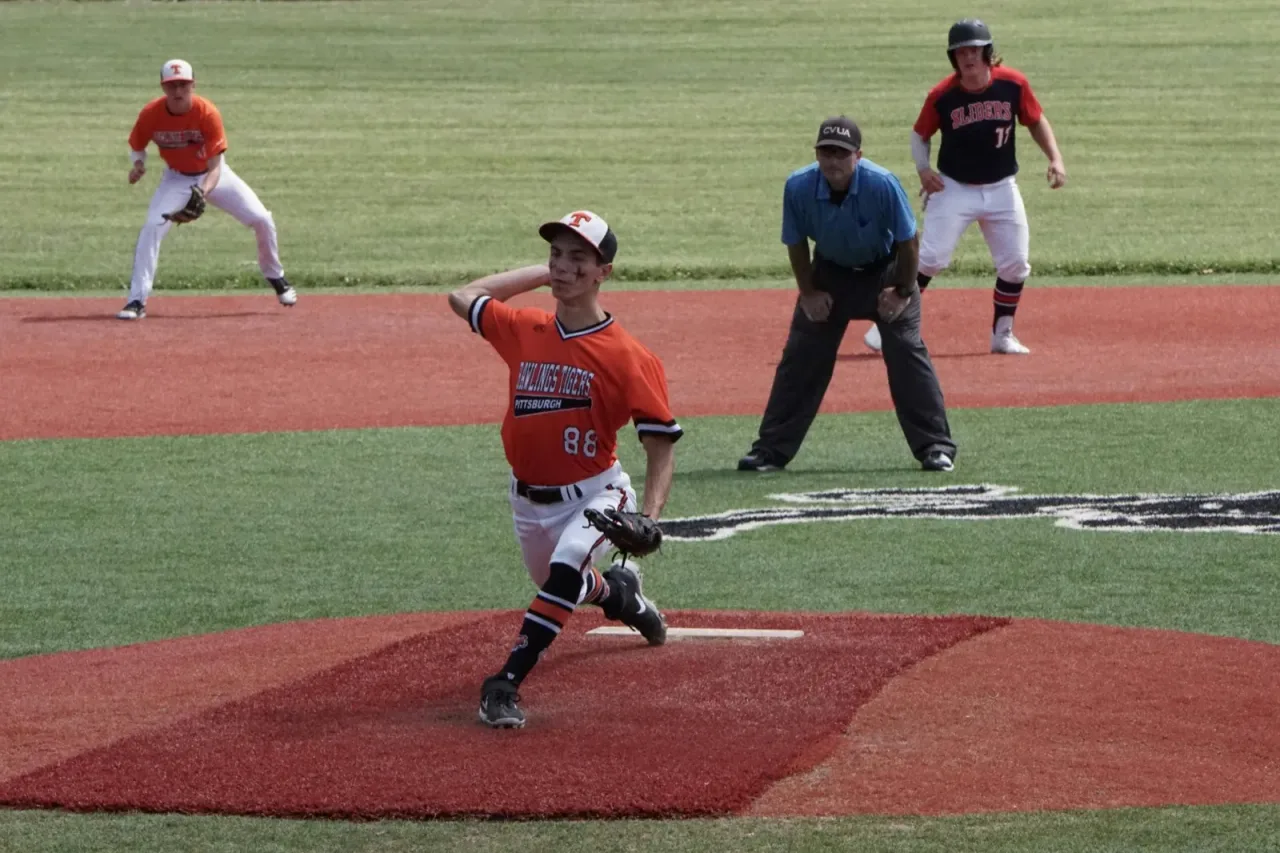
Basketball: the grassroots circuit is the recruiting process
Basketball is the most event-driven recruiting ecosystem. The July NCAA live evaluation period — centered around AAU shoe circuits like Nike EYBL, Adidas 3SSB, and the Under Armour Association — is where coaches from every division identify prospects. No platform replaces being seen live during those windows.
For families outside the elite shoe circuits, the landscape has gotten harder. The transfer portal has devalued high school recruiting more than in any other sport, with some coaches openly calling freshmen "bad investments" and leaving roster spots vacant rather than filling them with high school players. The result: non-elite prospects need to be more proactive than ever.
Hudl handles film. Prep Hoops provides rankings and a free prospect database. But as one organization run by former college coaches put it: paid recruiting services in basketball "offer little actual value" because they "prioritize volume and often send hundreds or thousands of generic emails to college coaches, regardless of the player's skill level." The families who get results are the ones playing on competitive AAU teams at NCAA-certified July events, creating quality full-game film, and doing direct, personalized outreach to coaches at realistic target programs.
If your family wants a basketball-only platform breakdown (rankings vs profile tools vs managed services), use best basketball recruiting websites.
Volleyball, lacrosse, and field hockey: where SportsRecruits is essential
These three sports share something no other sports do: their coaching associations have embedded SportsRecruits as the official recruiting platform.
In lacrosse, the women's coaching association (IWLCA, 1,200+ coaches) and men's coaching association (IMLCA, 750+ coaches) both run their recruiting operations through SportsRecruits-powered platforms — IWLCARecruits and IMLCARecruits. When coaches at IWLCA showcase events evaluate athletes on the sideline, they use SportsRecruits' EventBeacon app — syncing favorites, building watchlists, and taking evaluations that link directly to player profiles.
In field hockey, the coaching association (NFHCA, 500+ coaches) has the same arrangement through NFHCARecruits. The sport's recruiting calendar centers on a handful of high-stakes events — the NFHCA Winter Escape Showcase draws 225–250 coaches for just 108 team slots. One D1 field hockey recruit described her experience bluntly: emailing coaches and having them see her at the two major tournaments was the most effective method, while summer showcases and camps produced little because few coaches attend them.
In volleyball, SportsRecruits is the JVA's official recruiting partner, and the former AVCA-associated platform (ConnectVolleyball) migrated to SportsRecruits in 2023. Many clubs bundle SportsRecruits accounts into team fees. Ninety-one percent of NCAA women's volleyball players competed on a club team, and the club tournament circuit — GJNC, JVA events, USAV Nationals — is where coaches evaluate. Club costs for nationally competitive teams run $5,000–$10,000+ per year including travel.
This matters because it's not optional. When a coaching association embeds a platform into its recruiting workflow, coaches in that sport actively use it — not as a nice-to-have, but as their primary tool. A SportsRecruits profile in lacrosse or field hockey isn't just useful; it's close to mandatory. And because the free tier feeds into the coaching association platforms, the paid version of SportsRecruits is less important than simply having a complete, up-to-date profile.
One volleyball coach told Grant Magazine that profiles from recruiting services "went into the trash" — while a DiscussFastpitch parent reported that out of 22 schools contacted, 21 engaged more on SportsRecruits than NCSA. A recruiting coordinator at another school confirmed she never opens NCSA emails. The pattern is clear: in these sports, the sport-specific platform is where coaches work.
In sports measured by objective performance — times, ratings, scores — paid recruiting services add the least value. Coaches can evaluate athletes remotely using verified results databases, which makes the core promise of recruiting platforms largely redundant.
Swimming coaches use SwimCloud to compare athlete times against existing team rosters, project conference championship placements, and identify recruits whose times fit their program's needs. The platform offers a lifetime upgrade for $49. Swimming parents on forums are direct: the stopwatch doesn't lie, and a paid recruiting service can't make your times faster.
Track and cross country coaches use TFRRS (Track & Field Results Reporting System) to find and verify results, checking whether an athlete's times would place in the top 6–8 at their conference championship. MileSplit covers high school results. These free databases do the work that a paid platform claims to do.
Tennis coaches rely on two sport-specific systems. The ITA made the Universal Tennis Rating (UTR) its official rating system for college tennis in 2016. TennisRecruiting.net maintains rankings and Blue Chip designations that coaches use to build prospect lists. Coaches cross-check TRN rankings against a player's verified UTR. Generic platforms are irrelevant when these two tools tell a coach everything they need to know. For a detailed look at how NCSA fits (or doesn't) in the tennis ecosystem, our NCSA tennis review covers what the platform delivers for this sport specifically.
Golf runs on tournament results and rankings. Junior Golf Scoreboard is where coaches first look, and AJGA rankings carry weight — though experienced parents note that rankings correlate partly with how many AJGA events you play (and pay for). Golfstat tracks college results across NCAA and NAIA. No generic recruiting platform plays a meaningful role.
What works for every sport
Despite the differences, certain approaches produce results regardless of sport.
Direct email from the athlete to the coach is the single most effective recruiting tool in every sport. In a survey of 500 college coaches, character ranked as the number one attribute they evaluate — above athletic ability and academics. Coaches want to hear from the athlete, not a platform, and not a parent. One George Fox assistant coach told Grant Magazine that mass emails from recruiting services signal the athlete "is only interested in receiving offers and not interested in finding a school that fits their needs." A Vassar lacrosse coach listed template emails as his top recruiting pet peeve.
Accessible film or verified results — whether that's a Hudl highlight reel, an unlisted YouTube video, a SwimCloud time, or a UTR rating — gives coaches what they need to evaluate your athlete. Coaches decide in 30–60 seconds whether to keep watching film, so best plays go first.
Targeted camp attendance — attending a specific school's camp where the coach already knows your athlete's name — is consistently described as more valuable than generic showcases. Alert the coach beforehand that your athlete will be there.
Completing recruiting questionnaires on target schools' athletic websites puts your athlete directly into a coach's prospect management system. This is free and takes minutes per school.
The bottom line
There is no best recruiting service across all sports. There are sport-specific tools that coaches actually use — Hudl for football, SportsRecruits for lacrosse and volleyball, SwimCloud for swimming, UTR for tennis — and there are generic platforms that charge significant money to sit on top of ecosystems they don't control. The families who get the best results are the ones who understand their sport's specific recruiting infrastructure and invest accordingly.
If you're still deciding whether to pay for any recruiting service, our guide to whether recruiting services are worth it covers the broader question. For a deeper look at the largest generic platform, our NCSA review breaks down what the service delivers by tier. For a full comparison of free and paid alternatives, our guide to NCSA alternatives covers every major option — and for families comfortable doing the work themselves, our breakdown of DIY vs. paid recruiting costs shows what the self-guided path actually requires.