
Basketball is the sport where families are most likely to misread the recruiting landscape — and then pay someone to help them operate in a system that doesn't work the way they think it does. NCSA is the largest recruiting platform in the country. It offers real tools and real support. But basketball recruiting runs through a specific set of live evaluation events and travel circuits that no online database changes. Before signing up for a service that costs $1,500 to $4,200 or more, basketball families should understand what they're actually buying.
What NCSA offers basketball families — and what it doesn't
NCSA gives basketball athletes a recruiting profile with stats, academic information, and highlight video. Families get access to a database of college coaches, direct messaging tools, a "dedicated recruiting coach" (an NCSA staff member, not a college coach), and educational content like webinars and workshops. The platform claims relationships with coaches across all divisions — D1, D2, D3, and NAIA.
For families who are starting from zero — first-generation college families, parents with no prior knowledge of how recruiting works — the educational layer has genuine value. Understanding the difference between contact periods and evaluation periods, how scholarships work at different division levels, and how to build a target list are all things NCSA can help with.
What NCSA cannot do for basketball families: get a D1 coach to watch your athlete if that coach is spending their evaluation periods at Nike EYBL and Adidas 3SSB tournaments evaluating athletes in live competition. A coach who fills their board at AAU tournaments in July does not need to log into a recruiting database to find prospects. The platform cannot substitute for live evaluation in the circuits that feed D1 basketball pipelines.
That's not a knock on the platform. It's a structural reality of how basketball is recruited at the highest levels.
How basketball recruiting actually works: AAU, live periods, and coach contacts
NCAA basketball has one of the most tightly regulated recruiting calendars of any college sport. Coaches operate within defined contact periods, evaluation periods, quiet periods, and dead periods — each with strict rules about when and how they can interact with prospective athletes.
The evaluation period is the one that matters most for understanding where coaches spend their time. During evaluation periods, coaches can watch athletes compete in person but cannot speak to them or their families. They attend events, fill notebooks, and leave. The July evaluation period — a cluster of AAU tournament weekends in the summer — is when D1 coaches fill the majority of their recruiting pipelines. They travel to these events. They do not browse recruiting databases.
The circuits that drive D1 evaluation:
- Nike EYBL — the highest-level grassroots circuit; Power Four programs recruit here intensively
- Adidas 3SSB — equivalent level, different sponsorship structure
- Under Armour Association — the third major national circuit
Being on a team within one of these circuits puts an athlete in front of D1 coaches in a way that no recruiting profile service can replicate. Coaches go where the competition is concentrated. For elite D1 basketball, that's the travel circuit, not a database.
The contact period matters too. Once coaches can initiate off-campus contact, they're typically reaching out to athletes they've already identified through the evaluation circuit — not discovering athletes through platform profiles. The sequence runs evaluation first, then contact. A profile on NCSA doesn't enter that sequence at the beginning.
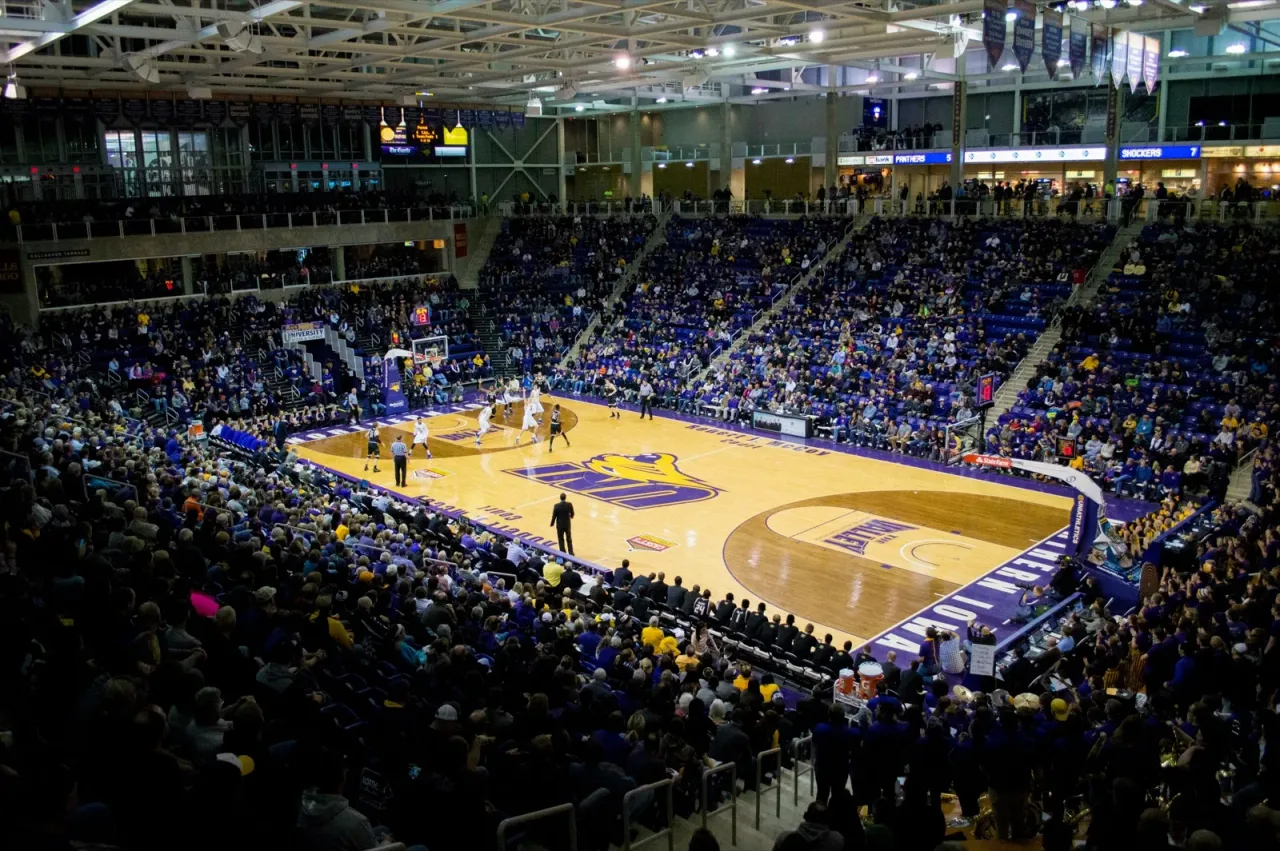
Where NCSA fits in basketball recruiting — and where it doesn't
NCSA adds more value for basketball families at D2, D3, and NAIA — and less for families targeting D1.
At D2 and below, the evaluation circuit dynamic changes meaningfully. D2 coaches recruit more through direct outreach, camp attendance, and platform-based discovery. They don't have the travel budgets or roster sizes of D1 programs, and they recruit a broader geographic and athletic range. A D2 coach who finds a good basketball player through an NCSA profile and likes the film can make an offer. That path exists.
At D3, coaches recruit even more directly. D3 programs cannot offer athletic scholarships, but they actively recruit athletes and can advocate for them in admissions. D3 coaches use platforms, respond to athlete outreach, and recruit through junior and senior year. For a D3-bound basketball family, NCSA's tools and coach database are more relevant than they are for a family targeting high-major D1.
The division question is the first thing basketball families should answer honestly. If your athlete is realistically targeting D1 at the mid-major or high-major level, the AAU circuit is the leverage point — not NCSA. If your athlete is realistically targeting D2 or D3, a recruiting platform has more utility, and the question becomes whether NCSA's price of $1,500–$4,200+ is worth paying relative to free platforms like SportsRecruits and FieldLevel.
| Factor | NCSA subscription | Self-guided AAU-focused approach |
|---|---|---|
| Cost | $1,500–$4,200+ | AAU program fees + travel (varies widely) |
| D1 visibility | Low — D1 coaches primarily recruit at live evaluation events | High — evaluation circuit is the primary D1 pipeline |
| D2/D3 visibility | Moderate — coaches at these levels use platforms more | Moderate — direct outreach works well at D2/D3 |
| What you get | Profile, coach database, educational content, recruiting coach | Live evaluation reps, coach relationships built in person |
| What you don't get | Live evaluation; D1 coaches who aren't checking the database | Structured recruiting education; centralized profile |
| Best fit | D2/D3 families; families starting from zero on recruiting knowledge | D1-targeting families; athletes already on quality travel programs |